
What to do after a car accident in O'Fallon, Missouri
Eight moves that protect your claim, paired with what the insurance company is doing on the same clock.
Start My Free Case ReviewFree. No obligation. Takes about 2 minutes.
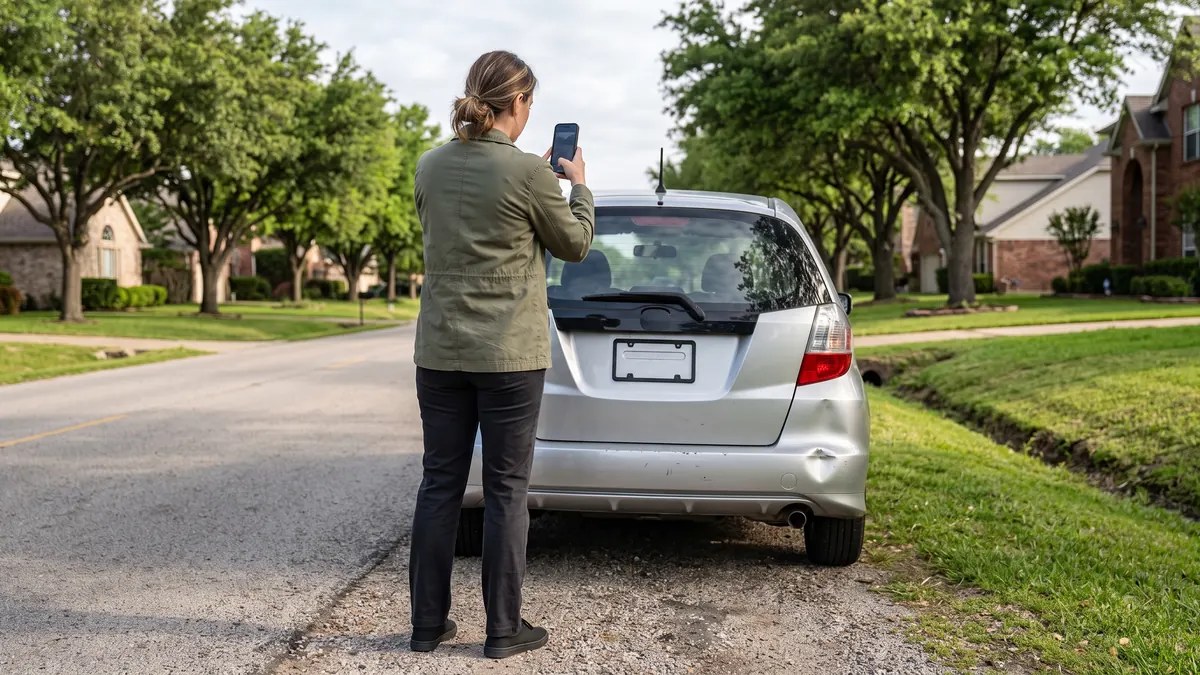
A wreck in O’Fallon, Missouri, sets two files moving at once. Yours, built from memory and a few photos on your phone, and the insurer’s, assembled by full-time professionals. These eight moves keep your side from falling behind theirs.
Get everyone checked before anything else
Look at yourself and anyone else in the car before you worry about paperwork. Head knocks and back jolts often keep quiet at first, and an insurer’s file doesn’t care how you feel in the first ten minutes.
Call the police, because their report clock starts now
O’Fallon Police handles most city-street crashes; a wreck on I-64 or I-70 more often goes to Missouri State Highway Patrol instead. Either way, an officer’s report becomes the reference document every adjuster pulls up first, so get one started while the scene is still fresh.
Photograph the scene before a tow truck erases it
Get the damage, the plates, the road surface, and anything nearby that explains how the wreck happened. Once a car gets towed and a street gets swept, that version of the scene is gone, and an adjuster’s file only has what got captured beforehand.
Get names and numbers while people are still standing there
A witness willing to talk at the scene may not answer a call two weeks later. Write down names, phone numbers, and a line or two of what each person saw, because the insurer’s investigator will be trying to reach the same people.
Tell your own insurer, but keep the call short
Most policies ask you to report a crash within a reasonable time, and skipping that step can complicate your own coverage later. Notifying your insurer is different from giving a full recorded statement; you can share the basic facts without answering every follow-up question on the spot.
See a doctor promptly, even if you feel mostly okay
Let days pass before a doctor sees you and the insurer gains an opening: maybe the pain came from somewhere else. Getting checked the same day, or as close to it as you can manage, keeps that argument off the table before it starts.
Get a copy of your report once it’s ready
O’Fallon’s Records Section, at 1019 Bryan Road, charges nothing for a single accident report, and most reports are ready seven to ten days after the crash. The accident report guide fills you in on exactly what to bring and who else might end up holding a copy of your wreck.
Get a review before you sign anything
A fast settlement offer or a broad medical release can show up before you’ve even finished treatment, and once you sign, that part of the file closes for good. Before your name goes on anything, a free case review reads over the paper trail and flags what deserves a second look. The statute of limitations guide debunks the idea that five years buys you room to put this off; the car wreck lawyer page discusses what a Missouri attorney actually does with everything these eight steps produce.
The insurer isn’t waiting on you
Somewhere in an office, a claims adjuster already has a file open with your name on it, and it started the same day yours did. These eight moves aren’t about beating them to a decision. They’re about making sure your side of the file is as complete as theirs when it matters.
Common questions
Does the order of these steps actually matter?
Not strictly, but safety and medical care come before everything else. After that, most of these can happen the same day, in whatever order the scene allows.
What if nobody called police to the crash?
You can still file a report yourself at O'Fallon Police Department's Records Section, and your own insurer will still want to know what happened. A late report is better than none.
How soon should you notify your own insurance company?
Most policies want notice within a reasonable window, often just a few days. Reporting the crash is not the same as giving a recorded statement, and you can do the first without the second.
Related pages
Do I need a lawyer
The answer changes depending on which kind of Missouri crash you actually had.
Learn more →Accident Report Guide
The report matters differently depending on who's asking for it.
Learn more →Case Value Guide
There's no flat number. Each part of a claim gets proven with its own document.
Learn more →Adjuster Guide
Two adjusters, two very different sets of rules for what you owe them.
Learn more →See if you have a case — free
Answer a few quick questions. If your case qualifies, an independent attorney who serves O'Fallon can review it at no cost.
Start My Free Case ReviewNo fees unless you win. No pressure to hire anyone.